
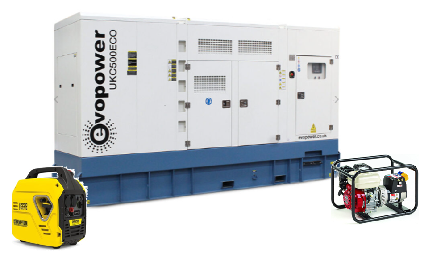
Refuelling generators and site plant while engines are still running — known as "hot fuelling" — is one of the most preventable causes of fire and serious injury on construction sites. Martin Mulholland explains.
Fuel vapours ignite instantly near hot exhausts, electrical components, or a single spark. With diesel or petrol involved, a fire can escalate within seconds, putting operatives and bystanders at severe risk.
It only takes a momentary lapse in discipline to trigger a catastrophic incident.
Because standard portable generators lack safety features for active refueling, the industry standard is the 20-20 rule: power down, allow a 20-minute cooldown period, refuel safely, and keep the unit at least 20 feet away from site buildings.
Site managers must treat hot fuelling as a zero-tolerance issue and ensure all operatives are properly briefed.
Do's ✅
- Always shut down the engine and allow it to cool before refuelling (at least 20 minutes).
- Use an approved fuel container with a proper spout or pump to control flow.
- Refuel a safe distance from site buildings (e.g. 20ft).
- Check for leaks on hoses, caps, and fittings before and after fuelling.
- Keep a fire extinguisher (CO₂ or dry powder) within immediate reach.
- Use designated fuelling areas away from ignition sources.
- Record all fuelling activity in the site plant register.
- Wear appropriate PPE — nitrile gloves and eye protection as a minimum.
Don'ts ❌
- Never refuel a running engine — not even briefly or "just this once".
- Don't smoke or use naked flames within 10 metres of a fuelling operation.
- Don't overfill — always leave room for fuel expansion.
- Don't use non-approved containers such as plastic water bottles or jerry cans without flame arrestors.
- Don't refuel near drainage gullies or watercourses — a spill can cause an environmental incident as well as a fire risk.
- Don't leave a fuelling operation unattended at any point.


